
Road SafetyFebruary 10, 2026
Car Breakdown on the Highway: What to Do
Here is how to stay safe, step by step, when your vehicle breaks down on busy roads. Learn the essential safety measures every driver should know.
Read More
The TowingNo.1 blog is where we share what we have learned from thousands of roadside calls across the Lower Mainland. Every article is written for real situations BC drivers actually face: a breakdown on a busy stretch of Highway 1, a battery that will not turn over on a frosty Surrey morning, or a tire that lets go far from the nearest shop. The goal is simple: help you stay safe, make good decisions under pressure, and avoid the small mistakes that turn a minor problem into an expensive one.
You will find safety guides that take you through highway breakdowns step by step, seasonal maintenance checklists tailored to British Columbia's wet winters and mountain routes, and clear explanations of how to recognise warning signs before they leave you stranded. We cover the everyday essentials too: what belongs in a vehicle emergency kit, how to tell when a battery is on its way out, and when a roadside fix is safe to attempt yourself versus when it is smarter to call a professional.
We also demystify the towing itself. Knowing the difference between flatbed, wheel lift, and heavy duty towing, and why electric and all wheel drive vehicles need special handling, helps you ask the right questions and protect your vehicle when you do need help. Browse the articles below, and keep our number, (778) 838-0014, saved for the moment you need fast, local assistance.
Much of what we write is shaped by the geography we work in. Driving in the Lower Mainland means dealing with the Trans-Canada climbing toward the SFU exit, the long rural section lines past Aldergrove, the underpasses around Richmond that are prone to flooding, and the steep, switchback hills of Coquitlam and the North Shore that turn treacherous the moment temperatures drop. Each of these settings creates its own kind of breakdown, and our guides reflect the conditions you are most likely to meet rather than generic advice written for nowhere in particular.
Seasonality matters here too. A wet October brings hydroplaning and dead wipers; the first cold snap of winter floods our lines with batteries that won't start and cars stuck in snow banks; spring road trips to the Interior expose cooling systems that limped through the winter. Reading ahead of the season is the cheapest insurance a driver can buy: fit winter tires before the law requires them, test a battery that is three years old before November, and pack an emergency kit before the long weekend. Most of it takes only a few minutes in the driveway.
If you are new here, a good place to start is our guide to what to do when your car breaks down on the highway, followed by the articles on seasonal maintenance and emergency kits. Together they cover the situations that account for the overwhelming majority of the roadside calls we answer every week. We update these posts as conditions, vehicles, and BC regulations change, so the advice stays accurate and genuinely useful for the way people actually drive across the region.
Here is how to stay safe, step by step, when your vehicle breaks down on busy roads. Learn the essential safety measures every driver should know.
Read More
Winter driving in British Columbia requires preparation. Discover essential maintenance tips to keep your vehicle running smoothly during cold weather.
Read More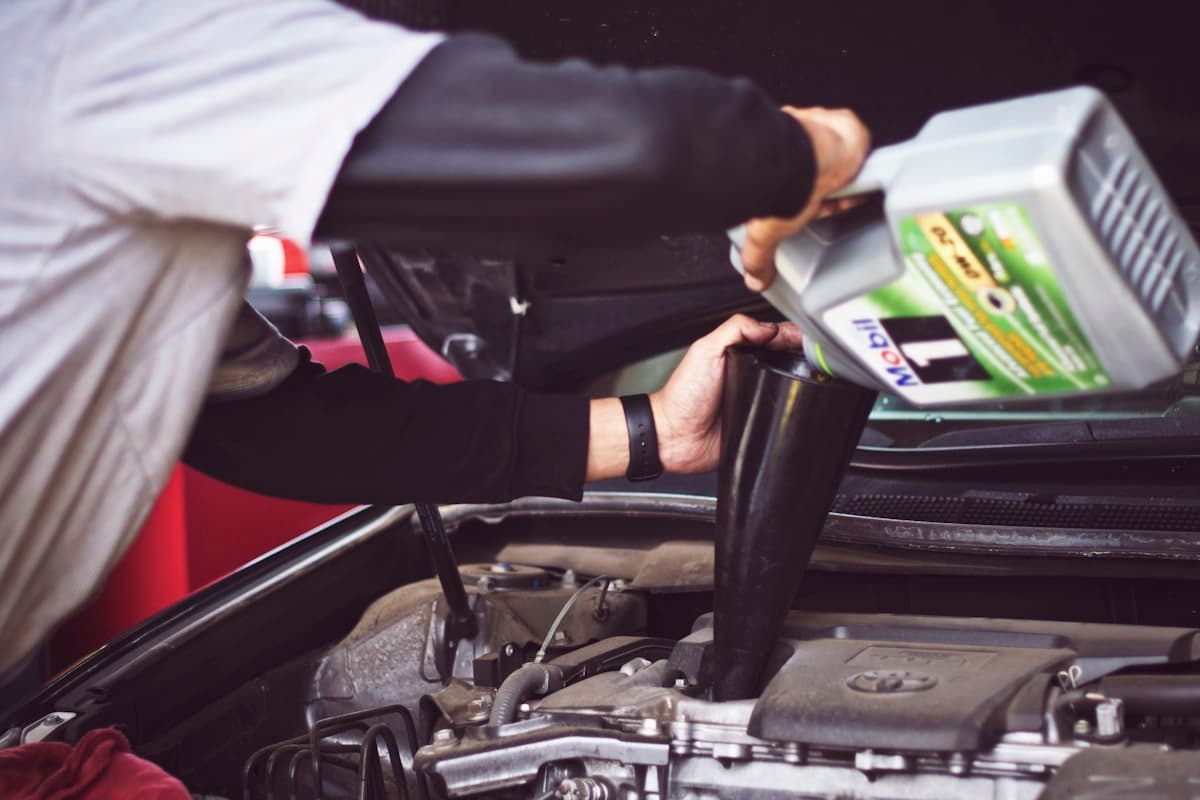
Don't get caught with a dead battery. Learn to recognize the warning signs that your car battery needs replacement before it fails.
Read More
Be prepared for any roadside emergency with these essential items. A properly stocked emergency kit can make all the difference.
Read More
Some roadside issues can be handled yourself, while others require professional help. Learn when it's safe to DIY and when to call for assistance.
Read More
Not all towing is the same. Explore the different types of towing services available and when each one is appropriate for your situation.
Read More
Step by step, this guide covers what BC drivers should do at the scene, how to report to ICBC, when to call police, and how to arrange a safe tow after a collision.
Read MoreA practical preseason checklist for Lower Mainland and BC drivers: vehicle preparation, emergency kit, advice for specific highways, and what to do if you get stranded in winter conditions.
Read More
Electric and hybrid vehicles cannot be towed the same way as conventional cars. Learn why flatbed transport is required, how Transport Mode works on major EV brands, and what to do when your EV runs out of charge in BC.
Read More
What to do when your vehicle breaks down on BC's two busiest highway corridors: how to pull off safely, how to report your location, RCMP and roadside contacts, and what to expect from a highway tow.
Read More
A practical reference for Surrey drivers: key road corridors, local emergency contacts, ICBC reporting, and what to do in every common roadside situation across the city.
Read More
What BC drivers have the right to expect from a towing company: quotes before dispatch, destination choice, storage rights, and how to handle predatory towing practices and overcharging.
Read More
A clear explanation of the terms tow operators use, from flatbed and winching to snatch block and recovery point, so you understand exactly what is happening to your vehicle at the roadside.
Read More